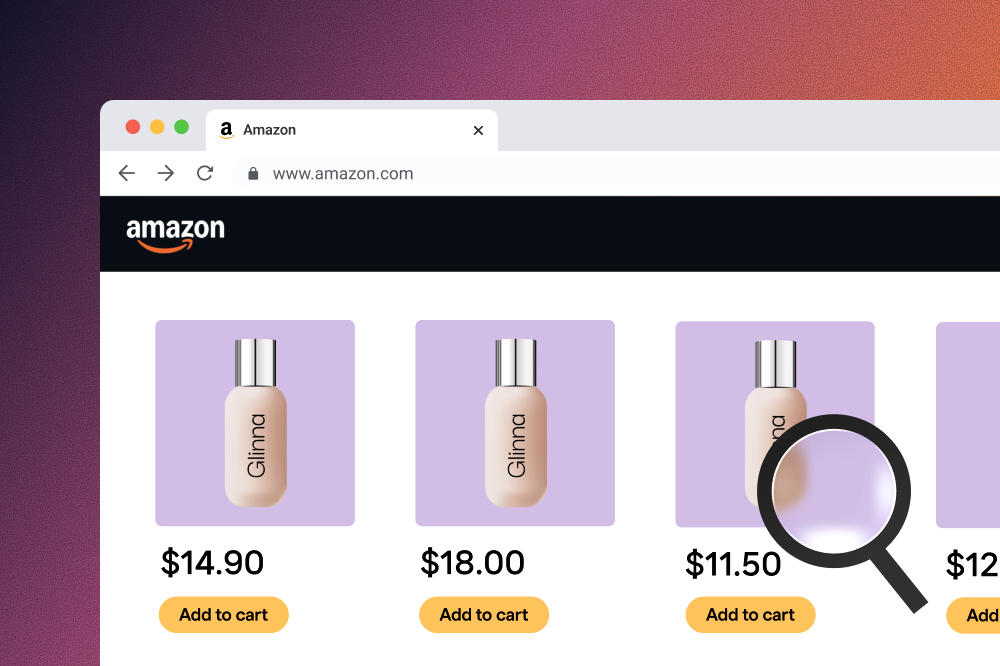

For most U.S. brands, Amazon is both a massive opportunity and an ongoing challenge. It’s where millions of shoppers find products every day…. but also where control over pricing, distribution, and customer experience can quickly slip away.
According to our latest Unauthorized Sales Report, a majority of brands identify Amazon as their top marketplace concern, and many say they are unsure whether they have lost the Buy Box. As visibility on Amazon grows, so do the risks. Unauthorized third-party sellers can:
- Hijack listings, altering product details or attaching their offers to official listings.
- Disrupt pricing strategies, undercutting prices and triggering unwanted price wars.
- Undermine brand credibility, creating inconsistent customer experiences through shipping delays and questionable product quality.
These problems often surface before brands even realize what’s happening, making proactive monitoring a must. Here’s how to identify, prevent, and respond to unauthorized sellers before they impact your bottom line.
TL;DR
- Unauthorized third-party sellers can hijack listings, undercut pricing, and damage brand trust on Amazon, often before you notice.
- Prevention comes first: tighten distributor contracts, set a MAP policy, enroll in Amazon Brand Registry and Transparency, and add product-specific serial numbers.
- Monitor on a fixed cadence: scan listings daily for Buy Box and new offers, audit pricing weekly against MAP, and run a deeper monthly review for hijacks and altered details.
- Respond in escalating steps: report the violation, send a cease-and-desist, then run test purchases and file a counterfeit report with physical evidence.
- Small product differentiators like exclusive packaging and lot numbers give you the proof needed to win takedowns.
Building a Preventive System
One of the most reliable ways to manage unauthorized sales is to detect and respond before the damage spreads.
Once an unauthorized seller wins the Buy Box or undercuts your price, recovering lost sales and repairing customer trust takes far longer than stopping the problem at the source. A strong prevention system works on two fronts at once: it closes the gaps that let products leak into unauthorized channels, and it builds in tracking that makes any leak easy to trace back to its origin.
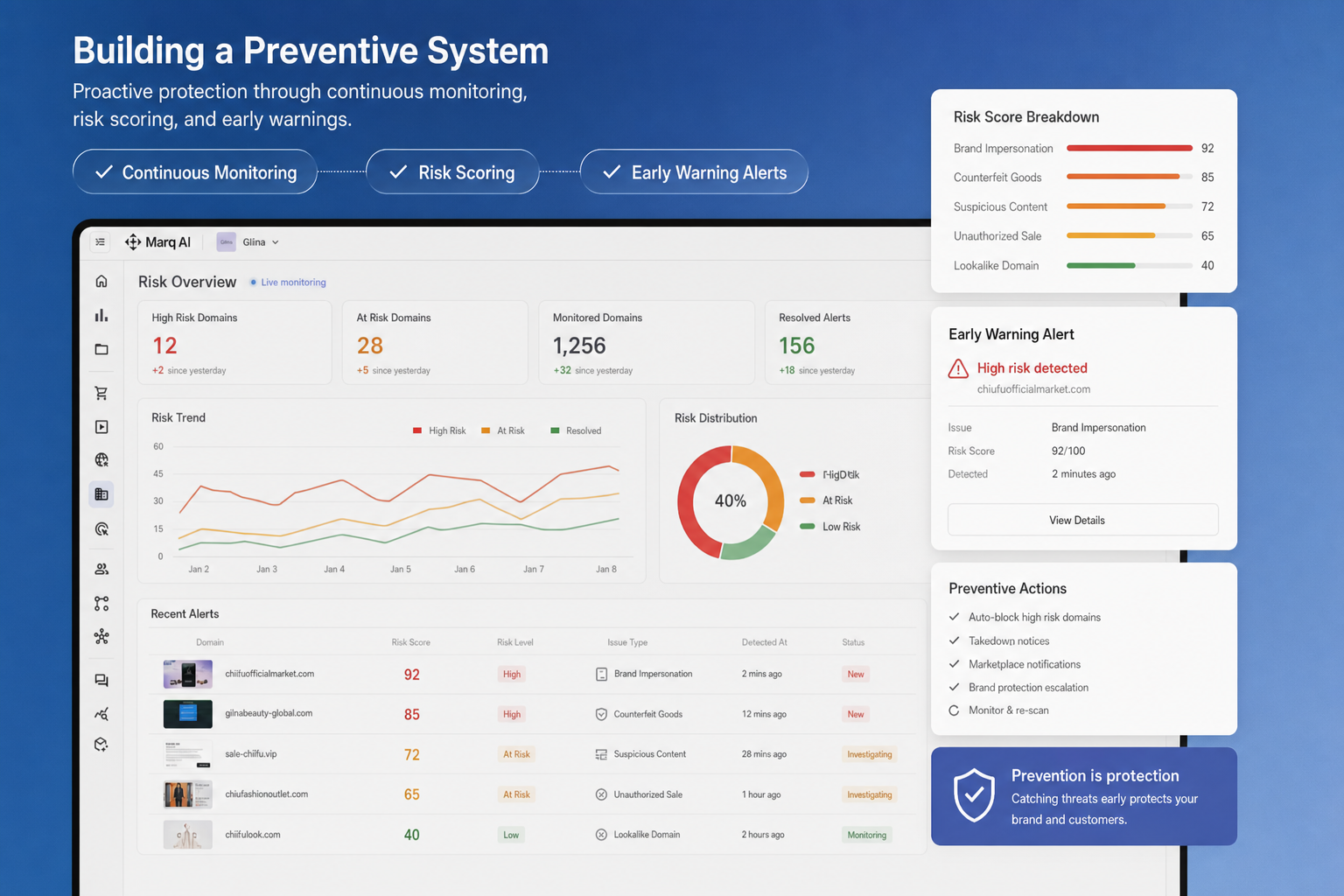
The four strategies below combine legal safeguards, pricing controls, Amazon's own brand tools, and product-level tracking. Used together, they give you both the authority to act against unauthorized sellers and the evidence to back up each takedown request:
1. Strengthen Contracts with Authorized Distributors
The first step is safeguarding any unintentional leakage from authorized distributors by including an Amazon-specific clause in wholesale and retail partnership contracts, outlining clearly what is and is not permitted. However, since a large share of unauthorized listings trace back to sources outside your direct contracts, such as distributor overstock liquidated to third parties, arbitrage sellers buying from discount retailers, and goods sourced from return pallets, brands must pair these legal safeguards with monitoring and enforcement strategies.
2. Set a Minimum Advertised Price (MAP) Policy
A MAP (Minimum Advertised Price) policy sets the lowest price that resellers can publicly advertise.
This helps prevent excessive price competition that leads to brand value erosion. Keep in mind that MAP policies typically apply only to first- or second-tier distributors. When products pass through multiple resellers, Amazon does not enforce these pricing rules, limiting their potential impact.
3. Use Amazon’s Brand Protection Programs
By signing up for the Amazon Brand Registry, brands can protect intellectual property assets like logos, images, and content while gaining access to IP violation reporting tools.
Programs like Amazon Transparency add another layer of protection by assigning a unique code to each product, allowing brands to better trace distribution. As a result, it becomes easier to block counterfeit or diverted goods. The program also lets customers verify authenticity by scanning the product code themselves, improving both trust and supply chain transparency.
4. Introduce Product-Specific Serial Numbers
Issuing unique serial numbers for each item makes it possible to distinguish products distributed through official channels from those entering through unauthorized routes. This allows faster identification and enforcement against unauthorized sellers.
Monitoring and Responding to Unauthorized Sellers
Routine Monitoring
Once preventive systems are in place, consistent monitoring and timely response are key. Brands should routinely review all Amazon listings, check MAP compliance, and track pricing fluctuations. Set a fixed cadence instead of checking ad hoc: scan active listings daily for Buy Box changes and new third-party offers, audit pricing weekly against your MAP thresholds, and run a deeper review each month to catch listing hijacks, altered images, or modified product details. Assign clear ownership for each check so nothing slips, and log every flagged seller, ASIN, and price point. That running record builds the pattern evidence you need to show repeat offenders and sourcing trends, and it shortens the time between a violation appearing and your team acting on it.
Responding to Violations
When violations are detected, respond in escalating steps. Start by reporting the listing through “Report a Violation” in the Brand Registry or Seller Central, attaching screenshots, ASINs, and any IP registration details that support the claim. If reporting alone doesn’t resolve the issue, send a cease-and-desist letter to the seller to put them on formal legal notice. For sellers that keep relisting or that you suspect of selling diverted or counterfeit goods, conduct test purchases to verify whether the products are genuine and to gather physical evidence, such as mismatched lot numbers or packaging, for takedown requests. Track the outcome of each action so you know which sellers comply, which need follow-up, and which warrant a formal counterfeit report to Amazon.

Real Case: A Successful Unauthorized Sales Response
One MarqVision client, Brand A, created Amazon-exclusive products with unique lot numbers and packaging registered under distinct ASINs (Amazon Standard Identification Numbers). When outside resellers began listing products under the same ASIN, the brand worked through a clear sequence to resolve it:
- Spotted that resellers were listing under the same ASIN despite the products being Amazon-exclusive.
- Identified that the resellers' lot numbers and packaging differed from the Amazon-exclusive versions, indicating the goods were sourced through wholesale channels.
- Ran test purchases to confirm those differences and gather physical evidence.
- Submitted a counterfeit report to Amazon documenting the mismatch.
- Amazon recognized the listings didn't match the registered ASIN, classified them as counterfeit, and resolved the issue.
This case shows how distinct lot numbers and packaging, combined with proactive reporting, can help brands effectively eliminate unauthorized sellers beyond basic price monitoring.
Takeaways for Brands on Amazon
For brands operating on Amazon, platform dependence brings both opportunity and exposure. Unauthorized sellers and counterfeits can threaten brand trust, pricing integrity, and profitability. That’s why a systematic strategy combining prevention, monitoring, and enforcement is necessary.
Using seemingly small product variations, such as exclusive packaging or serial number tracking, can serve as powerful tools for activation and reporting. In the end, brand protection starts not with reaction, but with proactive strategy and constant vigilance.
Tired of spending hours tracking unauthorized sellers by hand? MarqVision takes that burden off your team. Our AI-powered monitoring and enforcement system scans Amazon and other global marketplaces in real-time, helping you regain control, preserve pricing integrity, and protect your growth.
👉 Request a free demo today and see how a tailored Amazon brand protection strategy can safeguard your business.
Frequently Asked Questions
What is an unauthorized seller on Amazon?
An unauthorized seller is any third party offering your products on Amazon without your approval. These sellers often source goods through distributor overstock liquidated to third parties, arbitrage buying from discount retailers, or return pallets, then attach their offers to your official listings or hijack the Buy Box.
How do I find unauthorized sellers on my listings?
Set a fixed monitoring cadence instead of checking ad hoc. Scan active listings daily for Buy Box changes and new third-party offers, audit pricing weekly against your MAP thresholds, and run a deeper monthly review for listing hijacks, altered images, or modified product details. Log every flagged seller, ASIN, and price point to build pattern evidence.
Does a MAP policy stop unauthorized sellers?
A Minimum Advertised Price (MAP) policy sets the lowest price resellers can publicly advertise, which helps curb price wars and brand value erosion. It does not stop unauthorized selling outright, since MAP typically binds only first- or second-tier distributors and Amazon does not enforce it once products pass through multiple resellers.
How does Amazon Brand Registry help against unauthorized sellers?
Amazon Brand Registry protects intellectual property assets like logos, images, and content while giving you access to IP violation reporting tools. Paired with Amazon Transparency, which assigns a unique code to each product, you can trace distribution, block counterfeit or diverted goods, and let customers verify authenticity by scanning the code.
What should I do when I find an unauthorized seller?
Respond in escalating steps. Report the listing through "Report a Violation" in Brand Registry or Seller Central with screenshots, ASINs, and IP details. If that does not resolve it, send a cease-and-desist letter. For repeat offenders or suspected counterfeit goods, run test purchases to gather physical evidence such as mismatched lot numbers, then file a counterfeit report with Amazon.
Stay up to date on the latest IP Protection content from MarqVision.




4 Enforcements a Week to 400: Scale Brand Safety with Marq AI

Don’t Just Find Counterfeits. Dismantle the Entire Network.

.png)
Discover the latest trends and challenges in IP protection

Take Control of Your Trademarks with MARQ Folio
Renew and Manage Your Trademarks Easily With MARQ Folio

We’re waiting to hear from you

See the best brand protection solution in action

Don’t let piracy steal your growth

Talk to us about your brand protection problems